
Research
We partner with communities, organizations, and institutions on research that is grounded in local priorities, shaped by lived experience, and designed to inform real decisions — from evaluation and data storytelling to knowledge mobilization and grant development.
 OUR APPROACH
Research That Serves Communities
Mentee's research practice is built on the belief that the best research is done with communities, not about them. We bring together rigorous methodology with culturally grounded approaches — ensuring that every project respects local knowledge, supports self-determination, and produces results that are useful and accessible.
Whether it's program evaluation, needs assessments, literature reviews, or community-based participatory research, our team works alongside partners from design through to dissemination — turning data into stories and findings into tools that drive meaningful change.
 WHAT WE DO
How We Support Research
Community-Based Research
We support community-led research that centres local knowledge, lived experience, and self-determined priorities. Our approach ensures that research serves the people it's about — not the other way around.
Evaluation & Data Storytelling
We design evaluation frameworks and translate complex findings into clear, visual reports — helping organizations measure impact, communicate results, and make evidence-informed decisions.
Knowledge Mobilization
We help communities and organizations turn research into action — developing toolkits, infographics, training materials, and accessible resources that move knowledge from reports into practice.
Grant & Proposal Writing
We support organizations in writing research proposals, grant applications, and funding submissions — grounding each one in strong methodology, community context, and measurable outcomes.
FEATURED PROJECTThe SALMON Tool
Seabird Assessment for Learning, Mentorship & Ongoing Nurturing
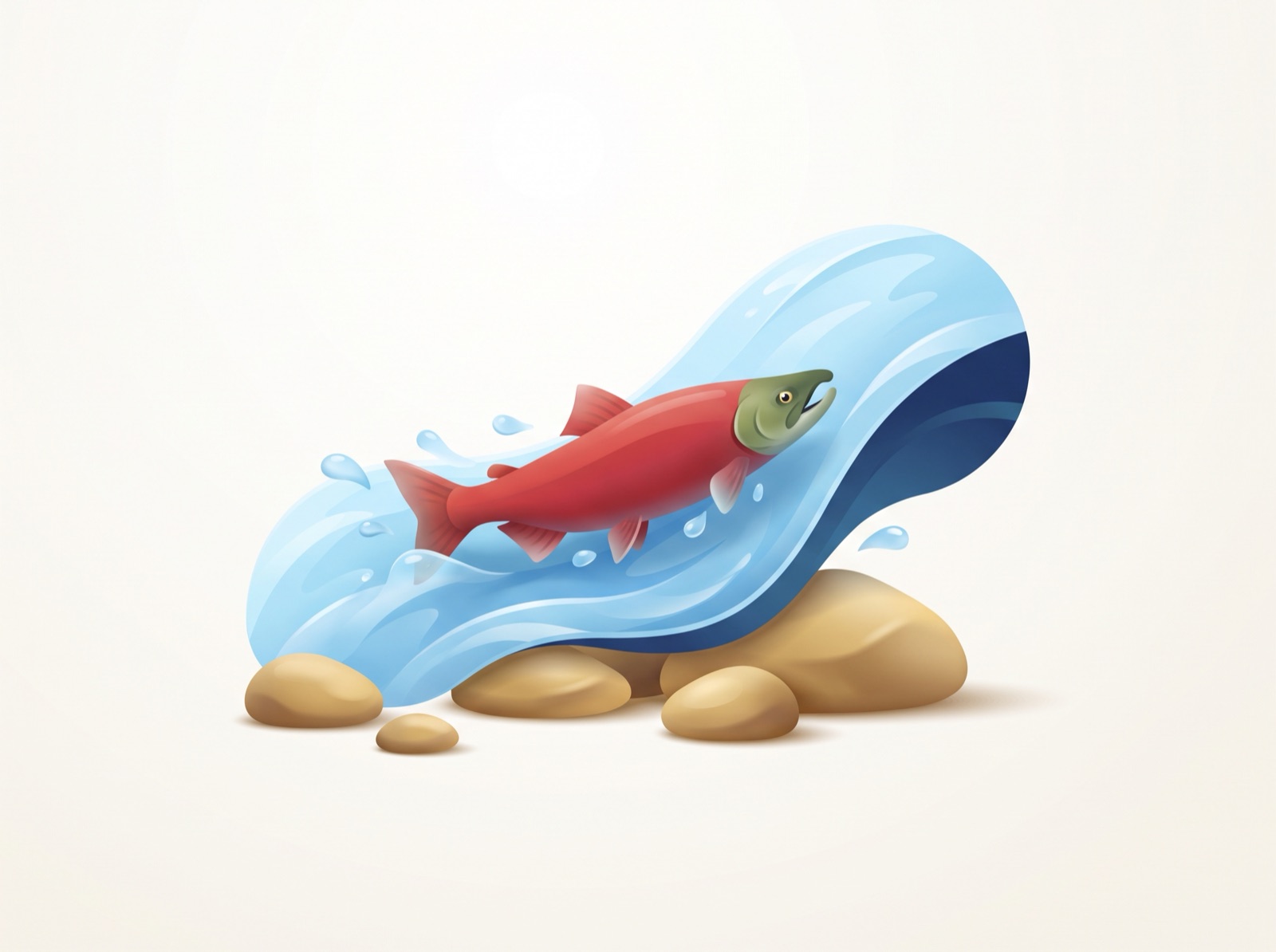
The SALMON Tool is a culturally grounded teacher evaluation framework developed by Dr. Jason Bruce as part of his doctoral research at Trent University, in collaboration with the Stó:lō Education Committee and Seabird Island Community School.
Unlike conventional evaluation models, SALMON integrates cultural responsiveness as an essential component of effective teaching — balancing administrative oversight with teacher self-reflection and collaborative goal-setting. The tool uses the salmon life cycle as a metaphor for educator growth, reflecting the community's deep connection to the land and water systems that sustain them.
READ THE FULL DOCUMENTInside the SALMON Tool
Flip through all 24 pages right here, or download the PDF above.
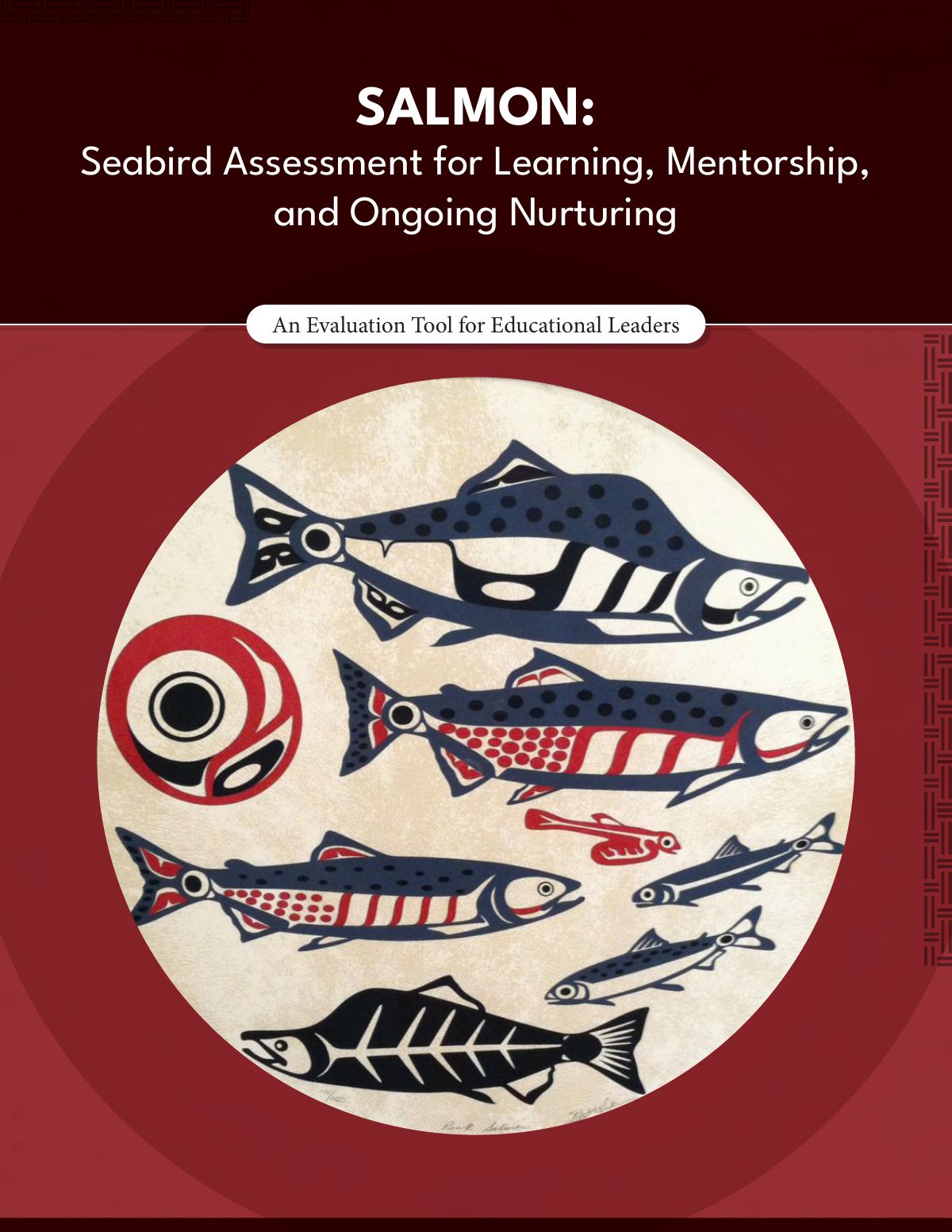
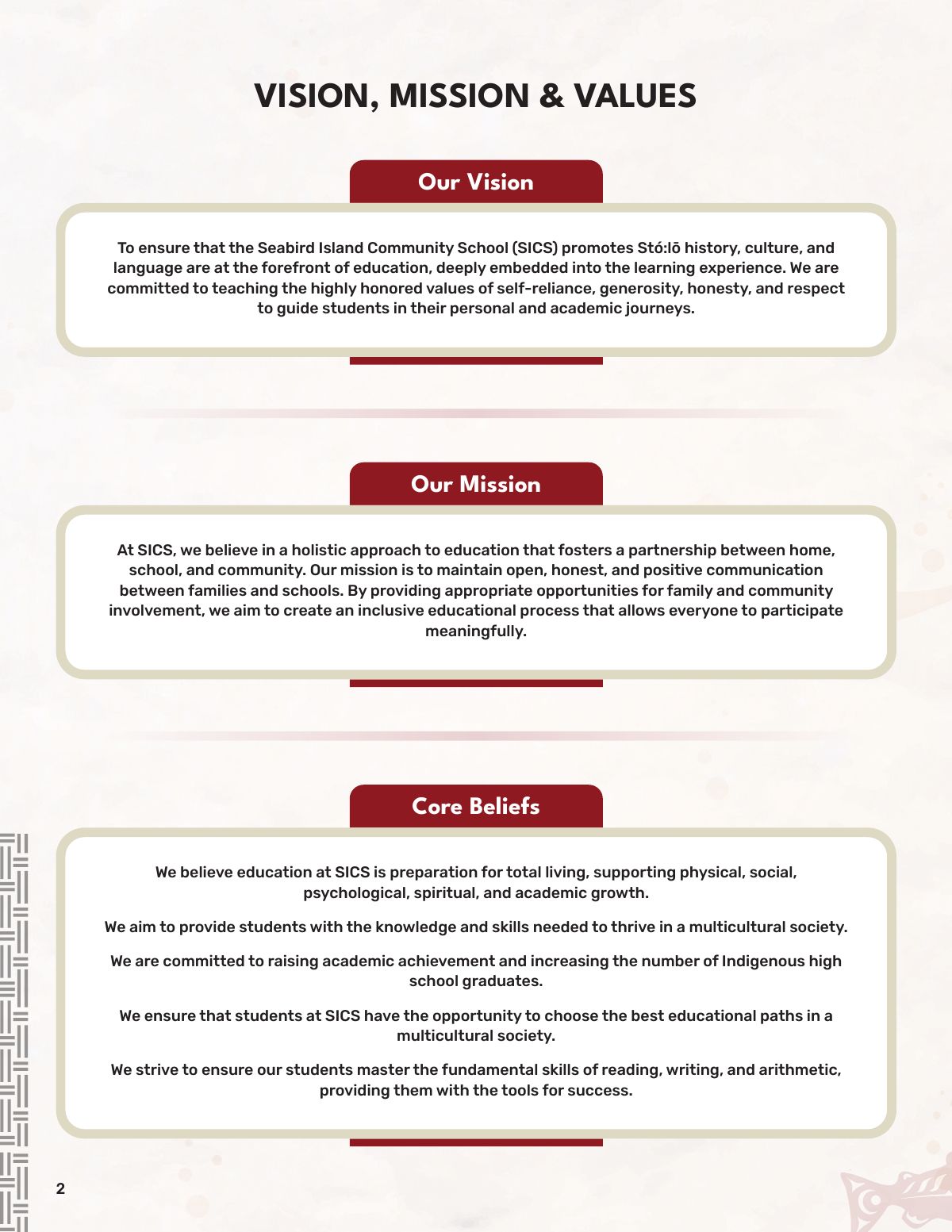
Page 1 of 24
Frequently asked questions
Still wondering about something specific? We're happy to talk it through.
Get in touchWhat is community-led research?
Research that a community shapes, not just sits inside of. The people involved help decide what's worth asking, how to ask it, and what happens with the answers. It takes more care at the start, and it produces findings people actually trust.
Who owns the data you collect?
You do. We put data ownership in writing before we collect anything, which matters especially in work with First Nations and Indigenous partners. It's your information, and your decision how it's used.
Do you do program evaluation?
Yes. We help organizations show funders what's actually changing, not just how many people showed up. Plain language, real outcomes, nothing padded.
Can you help with a community survey?
Yes. We design surveys people will actually finish, in language that fits the people you serve, and we make a point of sharing the results back with the people who filled them out.