The digital tools that actually last aren't the flashiest ones — they're the ones shaped by the people who use them. A note on the difference that makes.
A community office we work with inherited a website from a previous vendor a while back. Beautiful site, honestly. Nobody on staff could log into it. It was built in a framework only that vendor used, hosted on the vendor's own account, and every text change came with an invoice. When the health team wanted to post updated clinic hours, they printed a sign and taped it to the door instead.
That site was built for the community. It was never built with them. The difference showed up about six weeks after launch, which is roughly when it always shows up.
We've seen versions of this everywhere: dashboards that track what a funder asked about instead of what the organization actually needs to know, apps that impressed everyone in the pitch meeting and were quietly abandoned by spring. The technology was rarely the problem. Distance was.
Proximity is the whole thing
Whether a tool survives usually has less to do with budget than with how close the builders stayed to the people who would live with it afterward.
Get close and you learn things no brief will tell you. The survey you planned needs to be a conversation, because that's how people here actually share what they know. The map should show what the community has, not just what it lacks. And the person keeping the website alive after launch isn't a developer. She's an administrator who has forty other responsibilities and about twenty minutes a week for this one. If she can't update an event in those twenty minutes, the site is already dead. It just hasn't noticed yet.
None of that is visible from a downtown office three provinces away. You have to be in the room, or at least on the call, often enough to hear it.
Listening is a design decision, not a courtesy
Most discovery processes are theatre. There, that's my grudge. A kickoff workshop, some sticky notes, a slide deck summarizing "key themes," and then the agency disappears to build what it was always going to build. The consultation happened. It just didn't matter.
Real listening works differently: what people tell you they need, in their own words, is the specification. Not raw material for one. This matters most in work rooted in community, and it's something we hold onto in every project with First Nations partners, nonprofits, and local organizations. The knowledge lives in people, not in an RFP. The vision usually already exists. Our job is to build something that carries it faithfully, not to swap in our own and call it strategy.
Skipping that step produces a familiar artifact, the technically correct and practically useless tool. It passes every test except the one where someone tries to use it on a Tuesday.
Made to be handed over
Here's a simple test for whether something was built with people or merely for them: watch what happens after it ships.
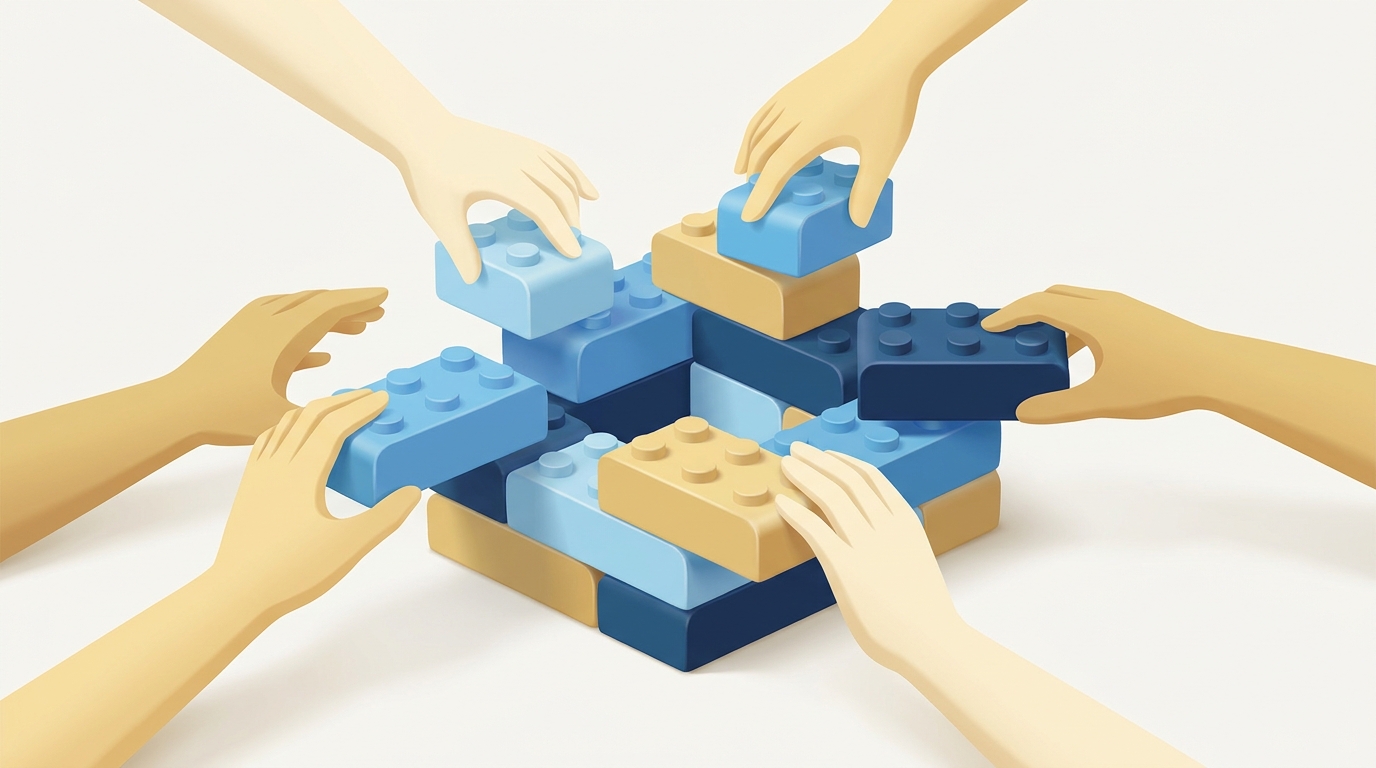
A tool built for an organization leaves them dependent. Every change means calling the vendor, cheque in hand. A tool built with them leaves them capable. They hold their own accounts and their own passwords. The content system is plain enough that a new hire can learn it in an afternoon. There's a short guide written for the actual staff, not for a hypothetical technical person who doesn't work there. We've sat through unglamorous training calls walking someone through their first blog post, and I'd trade a lot of polished design hours for that one call. It's the moment the thing becomes theirs.
Building this way means designing ourselves out of a permanent role, and yes, that's worse for recurring revenue. It's still the only version of this work we're interested in. A project that leaves a community more capable than it found them doesn't cost you a client. It earns you the next honest conversation.
The short version
Launch day tells you almost nothing. The real measure comes a year later. Is the site still updated? Do the digital tools still reflect the people they were made for? Does the staff reach for them without thinking, or route around them the way that health team routed around their expensive website with a taped-up sign?
That year-later standard is the one we hold our own work to, and it starts the same way every time. Get close. Listen first. Build with.
If that's how you'd want your next project approached, we should talk.