A practical guide to what actually matters in First Nations and Indigenous website design, from community-led process to who holds the keys after launch.
A good website for a First Nations or Indigenous organization does more than look right. It works right, for the people it serves, long after launch day. Here's what to actually look for.
Community-Led, Not Just Community-Informed
There's a real difference between a partner who consults your community and one who lets your community lead. Consultation means a few interviews and a mood board. Leadership means your staff, knowledge holders, and members shape the site's structure, tone, and priorities from the start, and can push back when something feels off.
Ask how decisions get made during the project. Who has final say on imagery, language, and framing? If the answer is "the design team," that's worth a second look.
Cultural Grounding, Not Decoration
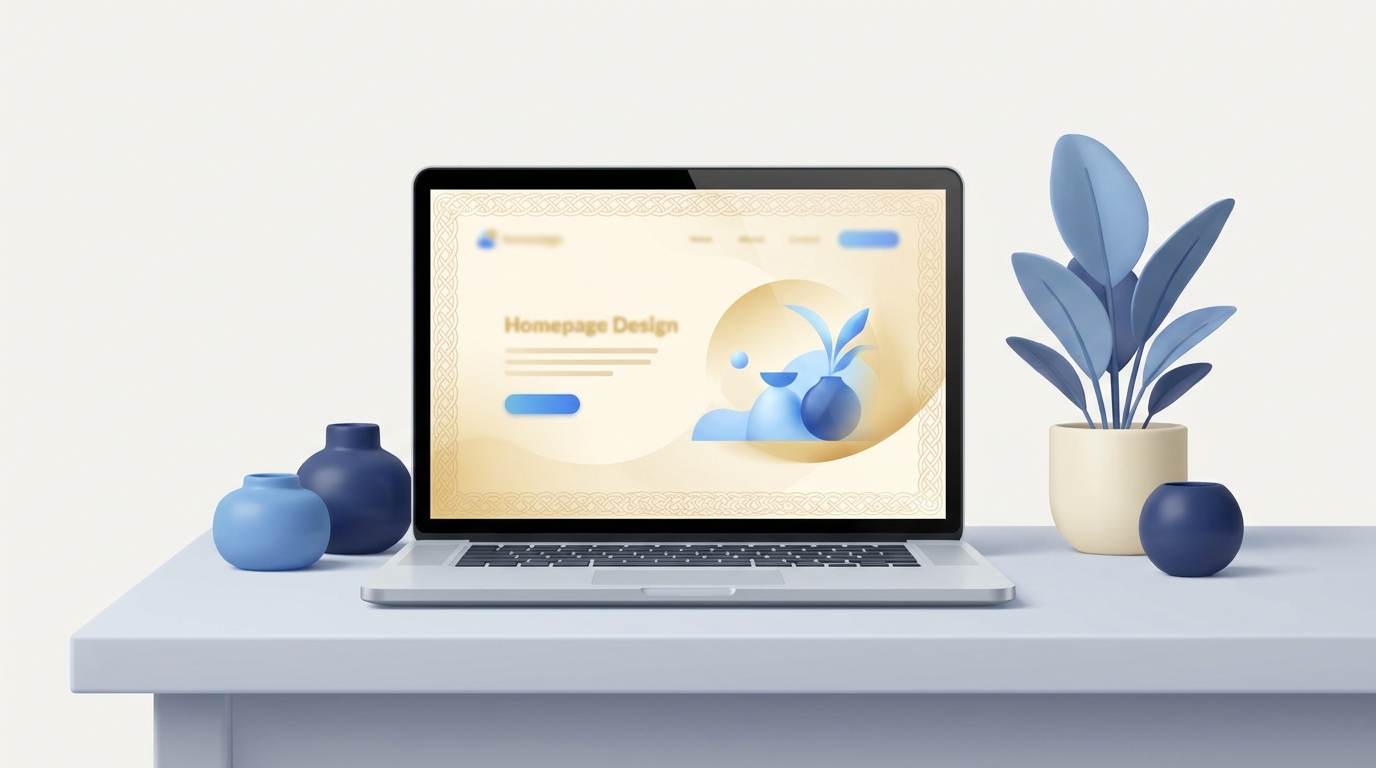
Culture shouldn't show up as a border pattern slapped on a template. Done well, cultural grounding shapes the whole experience: how content is organized, what stories are told first, which images are used and who approved them, whether the language reflects how your community actually talks about itself.
This takes real time and real relationships. It also means being honest about limits. Not every design element needs a cultural story attached, and forcing one can feel worse than leaving it plain. The goal is respect, not decoration.
Who Can Update It Later
A website is never really finished. Staff change. Programs launch and end. News needs posting. Before you sign anything, ask:
- Can our own staff edit pages without calling the developer?
- Is there training included, and is it in plain language?
- What happens if our web partner disappears in two years?
A site that only your original developer can touch isn't really yours. Look for platforms built to be handed over, with clear documentation and support that doesn't quietly vanish after launch.
Accessibility as a Baseline
Accessibility isn't a nice-to-have add-on. It's basic respect for elders, people with disabilities, people on slow internet in rural or remote communities, and anyone using an older phone. That means real color contrast, readable font sizes, working screen-reader support, and pages that load fast without a strong connection.
A site that only works well on a new laptop with fast wifi excludes exactly the people many mission-driven organizations exist to serve.
Questions Worth Asking Any Web Partner
Before you commit, ask directly:
- Have you done this kind of work before, and can we talk to a past partner about their experience?
- How do you handle disagreements about content or imagery?
- Who owns the final files, code, and content?
- What does support look like six months after launch?
- How do you build in time for community review, not just internal deadlines?
Honest answers matter more than polished ones. A partner who says "we're still learning, here's our process" is often more trustworthy than one who claims to have it all figured out.
Building It Right, Together
At Mentee, we work alongside First Nations and Indigenous organizations, along with other mission-driven communities, to build platforms that are genuinely useful, genuinely theirs, and built to last past launch day. We don't claim to lead where communities should lead. We show up to support the people who do.
If you're planning a website and want a partner who asks good questions before offering answers, talk to us.